
Exploring the Benefits of Hydration for Hormonal Balance
Water is one of the most important molecules in our metabolic pathways and staying well-hydrated is essential for regulating hormones. Dehydration can worsen menopause symptoms like hot flashes and fatigue. Proper hydration plays a critical role in maintaining hormonal balance and easing menopause symptoms.
This comprehensive guide explores the critical connection between hydration and hormonal balance, offering practical tips for women in perimenopause, menopause, and beyond.
Key Takeaways:
- Hydration is essential for hormonal balance: Staying well-hydrated is important for regulating hormones, especially during menopause when fluctuations are common.
- Dehydration worsens menopause symptoms: Lack of fluids can exacerbate hot flashes, fatigue, and other common issues experienced during menopause.
- Hydrating foods play a vital role: Water-rich foods like watermelon, cucumber, and leafy greens can help balance hormones and support hydration.
- Electrolytes are even more important during menopause: Understanding electrolytes, their importance, and ensuring adequate intake can affect hormonal balance.
- Proper hydration aids in managing various menopause symptoms: From skin health to cognitive function, hydration plays a key role in alleviating symptoms and controlling health conditions.
The Role of Hydration in Regulating Hormones During Menopause
Understanding Menopause and Hormonal Changes
Hydration is a key factor in managing the hormonal fluctuations that occur during this phase in life. As women age, their bodies undergo significant changes, including a decrease in estrogen production and irregular menstrual cycles. These hormonal shifts can lead to symptoms such as hot flashes, fatigue, and mood swings. Proper hydration levels can help regulate these hormones and alleviate some of these uncomfortable symptoms. Dehydration during menopause can worsen these hormonal imbalances, leading to increased severity of symptoms.
Dehydration and Menopause: Understanding the Surprising Connection
The Physiological Effects of Dehydration on the Body
To truly understand the impact of dehydration on menopausal women, it is crucial to recognize the physiological effects it has on the body.
Here are some of the key physiological effects of dehydration on a woman’s body:
| Physiological Effect | Description |
|---|---|
| Hormonal Imbalances | – Hinders thyroid hormone production – Causes fatigue, weight gain, brain fog – Impacts adrenal function – Exacerbates adrenal fatigue symptoms like weakness, cognitive issues |
| Increased Heart Rate and Cardiovascular Strain | – Heart has to work harder to pump blood – Increased heart rate – Additional strain on cardiovascular system |
| Electrolyte Imbalances | – Imbalance of potassium and sodium levels – Muscle cramps – Involuntary muscle contractions – Seizures in severe cases |
| Impaired Kidney Function | – Increased risk of urinary tract infections – Increased risk of kidney stones – Can lead to kidney failure in severe cases |
| Increased Core Body Temperature | – Impairs body’s ability to regulate temperature via sweating – Increased core body temperature, especially during exercise or hot weather |
| Changes in Saliva and Urine Output | – Decreased saliva production, dry mouth – Decreased urine output – Darker, more concentrated urine |
| Headaches and Dizziness | – Commonly associated with headaches – Feelings of dizziness or lightheadedness |
To maintain optimal hormonal balance, it is imperative to ensure adequate hydration to support the body’s natural processes.
How Dehydration Exacerbates Menopausal Symptoms
Surprising as it may seem, the lack of fluids can worsen common issues such as hot flashes, fatigue, and cognitive function during menopause. Another concerning aspect is the potential link between dehydration and increased risk of conditions like urinary tract infections and kidney stones, which can further impact a woman’s well-being during this phase of life.
The Hydration and Hormone Health Connection: What Every Woman Needs to Know
Thyroid Function and Its Importance During Menopause
The thyroid gland plays an important role in regulating metabolism and energy levels, making it essential for overall well-being during menopause. Thyroid function disruptions can lead to symptoms like fatigue, weight gain, and brain fog. Proper hydration is crucial for optimal thyroid function, as dehydration can hinder the gland’s ability to produce hormones effectively.
Women going through menopause should be aware of the importance of thyroid health and its potential impact on their overall well-being. Monitoring thyroid function through regular check-ups and maintaining proper hydration can help alleviate symptoms related to hormonal imbalances during this transitional period.
Adrenal Fatigue and Dehydration: Breaking the Vicious Cycle
The adrenal glands are a pair of small, triangular-shaped endocrine glands located on top of each kidney. They play a crucial role in producing various hormones that regulate many essential functions in the body. Here are the key points about the adrenal glands and their functions:
Regulating stress response (“fight or flight”)
Controlling blood sugar levels and metabolism
Maintaining blood pressure and fluid/electrolyte balance
Initiating sexual maturation during puberty
Disorders of the adrenal glands can lead to over or underproduction of hormones, causing conditions like Addison’s disease, Cushing’s syndrome, congenital adrenal hyperplasia, and others.
The Effect of Dehydration on Adrenal Health
Similar to the thyroid gland, hydration can significantly impact adrenal health. Adrenal fatigue is a common concern during perimenopause and menopause. Dehydration can exacerbate adrenal fatigue symptoms, leading to feelings of fatigue, weakness, and even cognitive issues. Dehydration can cause their function to become compromised with potentially serious consequences. Also, if you have adrenal fatigue, dehydration can have a significant impact on the functioning of the adrenal glands. Here are the key points:
- Dehydration can make adrenal fatigue symptoms worse
- Dehydration triggers the renin-angiotensin-aldosterone system (RAAS). If you have adrenal fatigue, normal pathways are disrupted and your body can’t correct the dehydration.
- Electrolyte imbalances due to dehydration affect adrenal function
- Dehydration increases oxidative stress on the adrenal glands
Dehydration and adrenal fatigue can create a vicious cycle. Dehydration strains the already fatigued adrenal glands by disrupting fluid and electrolyte balance, triggering compensatory mechanisms that further burden the glands.
Diet and Lifestyle Changes to Support Adrenal Function

Supporting adrenal function through diet and lifestyle changes can significantly help in breaking the cycle of adrenal fatigue. For instance, consuming hydrating foods like watermelon, cucumber, and leafy greens can provide the necessary fluids to keep the adrenal glands functioning optimally. Additionally, adopting healthy hydration habits and managing stress levels effectively can go a long way in supporting adrenal health.
The Role of Key Electrolytes in Hydration
Electrolytes play a vital role in balancing fluids within the body. Adequate intake of electrolytes is vital for supporting hydration and overall hormonal balance during this transitional phase.
Natural Sources of Electrolytes Suited for Menopausal Women
With watermelon, cucumber, and leafy greens being among the top hydrating foods, it’s worth noting that these foods also provide vital electrolytes. Potassium, magnesium, and calcium are electrolytes that are particularly important for maintaining proper hydration levels. These electrolytes not only support hydration but also play a crucial role in various bodily functions, like muscle function, nerve transmission, and pH balance. By incorporating these natural sources of electrolytes into your diet rather than high sodium highly processed food, you can better support optimal fluid balance and hormonal regulation.
Practical Hydration Tips
10 Hydrating Foods to Balance Hormones and Ease Menopause Symptoms
These foods not only have high water content but also provide important vitamins and minerals that support overall health.
| Food Category | Examples | Benefits |
|---|---|---|
| Berries | Blueberries, raspberries, strawberries | Low in calories, high in antioxidants, support heart health |
| Leafy Greens | Kale, spinach | Provide protein, vitamins, minerals, and antioxidants for overall health and hormone balance |
| Cruciferous Vegetables | Broccoli, Brussels sprouts, cabbage, cauliflower | Contain indole-3-carbinol which promotes liver function and helps detoxify and balance hormones |
| Fatty Fish | Mackerel, salmon, sardines | Provide protein and omega-3 fatty acids with anti-inflammatory properties, may help alleviate joint pain and mood swings |
| Soy Products | Tofu, tempeh, edamame | Contain phytoestrogens that can mimic estrogen’s effects and help alleviate menopausal symptoms |
| Legumes | Beans, chickpeas, lentils | Rich in protein and fiber for digestive health and essential amino acids for hormone production |
| Nuts and Seeds | Almonds, chia seeds, flaxseeds, walnuts | High in healthy fats, phytoestrogens, and protein, good choices for menopausal women |
| Whole Fruits | Apples, pears, citrus | Provide hydration, fiber, vitamins and antioxidants while keeping blood sugar levels balanced when eaten in moderation |
| Avocados | – | Contain healthy fats and magnesium which improves insulin sensitivity and helps regulate blood sugar levels |
| Fermented Foods | Kefir, yogurt, sauerkraut | Support gut health and the microbiome which is important for hormone production and balance |
It’s important for menopausal women to limit caffeine, alcohol, spicy foods, and processed foods high in sodium and unhealthy fats.
Strategies to Increase Daily Water Intake
Now, let’s look into some practical strategies to help you increase your daily water intake and maintain optimal hydration levels:
An effective way to boost your water consumption is to carry a reusable water bottle with you wherever you go. This way, you’ll have a constant reminder to take regular sips throughout the day. Additionally, infusing your water with fruits or herbs can add a refreshing twist and make hydration more enjoyable. Setting specific goals, such as drinking a glass of water before each meal or setting reminders on your phone, can help you stay on track and ensure you’re meeting your hydration needs.
Understanding Your Personal Hydration Needs
Hydration is a deeply individualized aspect of health. Factors such as age, weight, activity levels, and environmental conditions can all influence how much water you need to consume daily. As a general guideline, aim to drink at least eight 8-ounce glasses of water per day, but adjust this amount based on your unique circumstances. Some recommend drinking roughly half of their weight (in pounds) in ounces. So if you weigh 160 pounds, you should aim for drinking about 80 ounces or 10 cups. Keeping track of your fluid intake and paying attention to signs of dehydration, such as dark urine or dry skin, can help you tailor your hydration routine to best support your hormonal health.
Hydration and Other Menopause Symptoms
Best Hydrating Practices for Menopausal Skin Care
Impact Proper hydration is vital for combating dry, itchy skin during menopause. Implementing a consistent skincare routine that includes moisturizing products can also help replenish lost moisture and improve skin elasticity.
Practices To maintain optimal hydration for menopausal skin care, it is recommended to drink at least eight glasses of water per day and consume hydrating foods with high water content. Additionally, using moisturizers with ingredients like hyaluronic acid and ceramides can help lock in moisture and improve skin barrier function. Consistency is key in establishing a healthy skincare routine that prioritizes hydration to promote vibrant, glowing skin during menopause.
Brain Fog and Fatigue: Could Dehydration Be to Blame During Menopause?

For women going through menopause, brain fog and fatigue are often attributed to hormonal shifts. However, dehydration may also play a significant role in affecting cognitive issues.
Brain fog can manifest as difficulty concentrating, memory problems, and overall mental fatigue. Hormonal fluctuations play a role in these cognitive changes, but dehydration can further intensify these issues. Proper hydration is crucial for supporting optimal brain function and maintaining mental clarity. Menopausal women can benefit from incorporating the following strategies to stay mentally sharp:
- Stay hydrated: Drink at least 8-10 glasses of water daily.
- Include hydrating foods: Water-rich fruits and vegetables like watermelon, cucumber, and leafy greens can help boost fluid intake.
- Set reminders: Use water tracking apps or alarms to prompt regular hydration.
This focus on hydration not only supports overall well-being during menopause but also plays a crucial role in maintaining cognitive function and mental acuity.
Hydration and Health Concerns Specific to Menopause
UTIs and Menopause: The Hydration Link You Need to Understand
Before and especially after menopause, women are more prone to urinary tract infections (UTIs). Maintaining proper hydration levels is crucial for preventing UTIs, as lack of fluids can contribute to the development of these infections. Dehydration can lead to concentrated urine, making it easier for bacteria to thrive in the urinary tract. Some women take a supplement called D-Mannose which might prevent some bacteria from sticking to the walls of the urinary tract.
Constipation During Menopause? Upping Your Water Intake May Help
Health concerns such as constipation often arise during menopause, but increasing water intake can be a simple yet effective solution. Proper hydration supports digestive health by softening stool and promoting regular bowel movements. Dehydration can lead to hard, dry stools, making it difficult to pass waste. By prioritizing hydration, menopausal women can alleviate constipation and improve their overall gut function.
Headaches and Hot Flashes: How Hydration Helps Manage Symptoms
Menopause: Dehydration can contribute to common symptoms like headaches and hot flashes. Being well-hydrated can help reduce headache frequency and intensity, as well as ease hot flashes. By staying hydrated, women going through menopause can better regulate their body temperature and support overall comfort during this transitional phase.
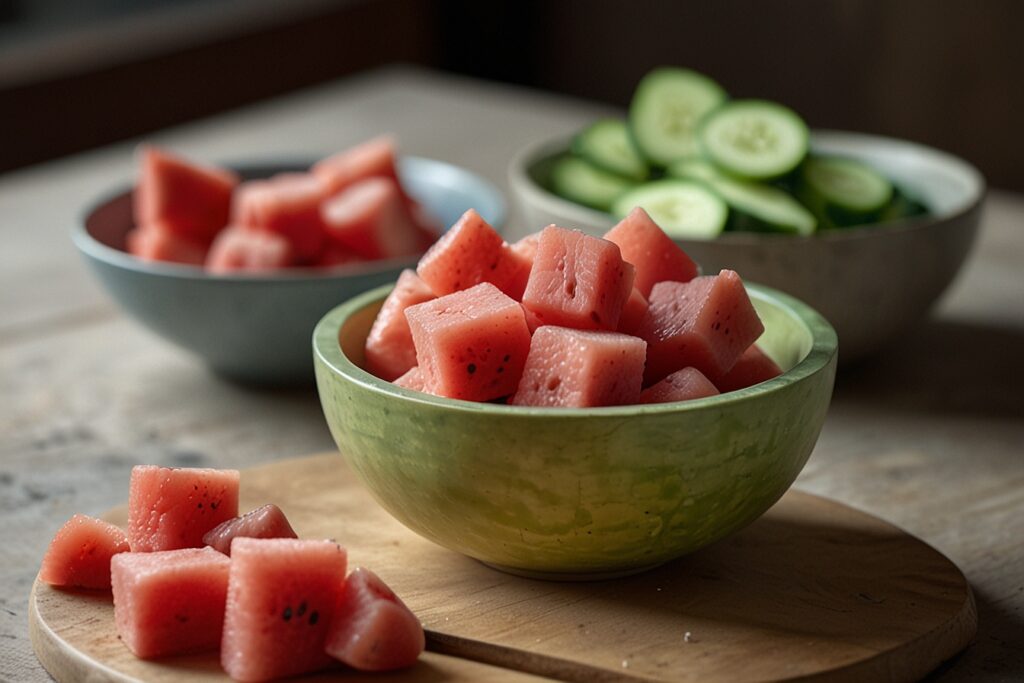
For instance: Drinking water consistently throughout the day can help prevent dehydration-related headaches and hot flashes. Additionally, hydrating foods like watermelon and cucumbers can provide an extra boost of hydration to combat these bothersome symptoms.
Hydration and Weight Gain: What to Know During Menopause

Hydration: Maintaining optimal hydration levels is vital for managing weight gain during menopause. Dehydration can sometimes be mistaken for hunger and can lead to unnecessary calorie consumption.
What: Research has shown that staying well-hydrated can help prevent overeating and support weight loss goals. By keeping a water bottle handy and sipping throughout the day, women can help control their appetite and promote a healthy weight during menopause.
Hydration and Heart Health: An Important Consideration After Menopause
With heart health becoming increasingly important after menopause, adequate hydration plays a crucial role in maintaining cardiovascular well-being. Dehydration can lead to increased strain on the heart and raise the risk of high blood pressure and other heart-related issues. By staying properly hydrated, menopausal women can support their heart health, reduce the risk of hypertension, and promote overall cardiovascular wellness.
Another: Studies have shown that even mild dehydration can have negative effects on heart function, emphasizing the importance of staying hydrated for maintaining optimal heart health.
Practical Advice and Lifestyle Considerations for Staying Hydrated During Menopause
“I Drink Plenty of Water But Still Feel Dehydrated” – Solving the Menopause Paradox
Staying well-hydrated during menopause can be challenging, especially when you feel like you’re drinking enough water but still experiencing dehydration symptoms. This paradox is not uncommon and may be due to factors like increased fluid needs during hormonal fluctuations. To combat this issue, consider incorporating hydrating foods with high water content like watermelon, cucumber, and leafy greens into your diet. Additionally, monitor your fluid intake throughout the day and aim to spread out your water consumption evenly to ensure consistent hydration.
Menopause and Alcohol: How It Impacts Hydration and Hormone Balance
Any alcohol consumption during menopause can impact hydration and exacerbate symptoms like hot flashes and mood swings. It’s important to consume alcoholic beverages responsibly. Alcohol can dehydrate the body, so it’s important to compensate by increasing your water intake and choose hydrating drinks like herbal teas or infused waters.
Caffeinated Drinks and Menopause: Friend or Foe for Hydration?
Menopause can bring about increased sensitivity to caffeine, making it important to consider how caffeinated drinks impact hydration levels during this time. While caffeine itself is a diuretic, meaning it can cause increased urination and potential dehydration, moderate consumption of caffeinated beverages like coffee or tea can still contribute positively to daily fluid intake. It’s necessary to balance your caffeine consumption with adequate water intake and be mindful of how it may affect your hydration status.

Menopause and Exercise: Why Hydration is Key to Feeling Your Best
Not only does proper hydration support overall health during menopause, but it is also vital for optimizing your exercise performance. Your body’s ability to regulate temperature, transport nutrients, and remove waste depends on adequate fluid intake, especially when engaging in physical activity. Dehydration can lead to decreased endurance, muscle cramps, and fatigue, making it imperative to drink plenty of water before, during, and after your workouts to stay energized and feel your best.
Menopause and Travel: Hydration Tips to Avoid Feeling Drained
With the excitement of travel often comes the challenge of staying hydrated. Long flights, changes in climate, and unfamiliar surroundings can disrupt your body’s fluid balance and leave you feeling drained. To avoid dehydration and its accompanying symptoms, prioritize fluid intake, and consider carrying a refillable water bottle to stay hydrated while on the go. Identifying early signs of dehydration, such as dark urine or dry mouth, can help you maintain optimal hydration levels and enjoy your travel adventures to the fullest.
Hydration Tracking Apps: Helpful Tools for Balancing Hormones
Drained but want to ensure you’re meeting your hydration goals? Hydration tracking apps can be invaluable tools for menopausal women looking to balance hormones and stay properly hydrated throughout the day. By inputting your daily fluid intake and receiving reminders to drink water regularly, these apps can help you maintain optimal hydration levels. Apps that track your water consumption and provide personalized hydration recommendations can make managing fluid intake more convenient and efficient, empowering you to take control of your health and well-being.
Symptoms and Health Risks Alleviated by Proper Hydration
Bloating During Menopause? Hydration May Be the Missing Piece
Increasing water intake can help reduce water retention or edema in the body’s tissues for a few key reasons:
1. It counters the body’s tendency to retain water when dehydrated.
2. It promotes better kidney function and fluid balance.
3. It dilutes the body’s electrolyte concentration.
4. It supports lymphatic drainage.
Hydration and Diabetes: Why Hydration Matters More Than Ever
Proper hydration is vital for menopausal women with diabetes, as both conditions can impact fluid balance and overall health. Managing hydration effectively is essential for women dealing with the dual challenges of menopause and diabetes. By maintaining proper fluid intake, individuals can support their bodies in managing blood sugar levels and overall well-being.
Menopause and Kidney Stones: How Proper Hydration Helps Prevent Them
During menopause, the risk of kidney stones can increase, making proper hydration even more critical for women in this stage of life.
Hydration is a key factor in preventing kidney stones. Dehydration can lead to the buildup of minerals in the urine, increasing the risk of stone formation. By maintaining proper fluid balance, women can help prevent this painful and potentially dangerous condition.
The Physical and Emotional Impact of Hydration on Menopausal Women
Hydration and Mood: Sipping Your Way to More Balanced Emotions
Sipping on water throughout the day may not only help keep you physically hydrated but also contribute to a more stable emotional state during menopause. Dehydration can make mood swings worse and increase feelings of irritability and stress. By prioritizing adequate fluid intake, you can support your body in maintaining a more balanced emotional state.
Hydration and Body Temperature: Regulating Your Thermostat During Menopause
| Physical Impact | Emotional Impact |
| Proper hydration can help regulate body temperature, reducing the frequency and intensity of hot flashes and night sweats. | Staying hydrated can promote a sense of calm and balance, reducing feelings of anxiety and frustration often associated with hormonal fluctuations. |
During menopause, the body’s internal thermostat can go haywire, leading to sudden spikes in body temperature and discomfort. By ensuring you stay well-hydrated, you can support your body in managing these temperature fluctuations more effectively. Regular hydration can help reduce the severity and frequency of hot flashes.
Menopause and Dizziness: The Dehydration Connection You Should Know
With the hormonal changes that accompany menopause, dehydration can contribute to feelings of dizziness and lightheadedness. Proper hydration is crucial for maintaining stable blood pressure and supporting overall cognitive function. By prioritizing adequate fluid intake, you can reduce the likelihood of experiencing dizziness and maintain better balance and clarity of mind.
Final Words
Drawing together the various aspects of hydration and its impact on hormonal balance during menopause, it becomes clear that staying well-hydrated is not only imperative for overall health but also plays an important role in managing menopausal symptoms.
Taking a moment each day to record your fluid intake and menopause symptoms in a menopause journal may help you recognize and highlight any changes you can make. By implementing practical strategies to ensure adequate hydration, you can empower yourself to better manage the physical and emotional changes that come with menopause.
FAQ
Q: How does hydration impact hormonal balance?
A: Proper hydration helps support the endocrine system, ensuring hormones are produced and balanced effectively.
Q: Can dehydration worsen menopause symptoms?
A: Yes, dehydration can exacerbate menopause symptoms such as hot flashes, fatigue, and cognitive issues. Lack of fluids can make these symptoms more intense, highlighting the importance of staying well-hydrated during this phase of life.
Q: What are some hydrating foods that can help balance hormones during menopause?
A: Watermelon, cucumber, and leafy greens are excellent hydrating foods that can support hormonal balance during menopause. Including these in your diet can help you stay hydrated and alleviate menopausal symptoms.